What Defines CDS
Engineering the future of security
From Data to Insight
How We Turn Data Into Decisions
Modern threats move quickly. Our technology helps organisations stay ahead by transforming complex information into clear operational insight.
Leadership Team
Technical expertise. Strategic direction.
CDS is led by a team with decades of experience across technology, cyber security, software, and business, bringing together technical expertise and strategic direction to drive the future of secure technology.

Peter Davies
Technical Director
Peter Davies is Technical Director and Co-Founder of Cyber Defence Service, with more than two decades of experience across software development, information security, network architecture, and cyber capability development.
Peter began his career in software development before moving into systems architecture and security, working across complex networks and applications for organisations in the UK and internationally. He holds an HND in Software Engineering, a BSc Hons in Computer Science, and an MSc in Information Security and Computer Crime.
His work has spanned software engineering, vulnerability assessment, network security, and the development of offensive and defensive cyber capabilities. Today, Peter focuses on research and development across the cyber and electromagnetic environment, developing technologies for UK defence, law enforcement, and other security-sensitive organisations.
At CDS, Peter leads the technical direction of the business, bringing together software, cyber security, engineering, and emerging technologies to develop solutions for difficult security challenges.
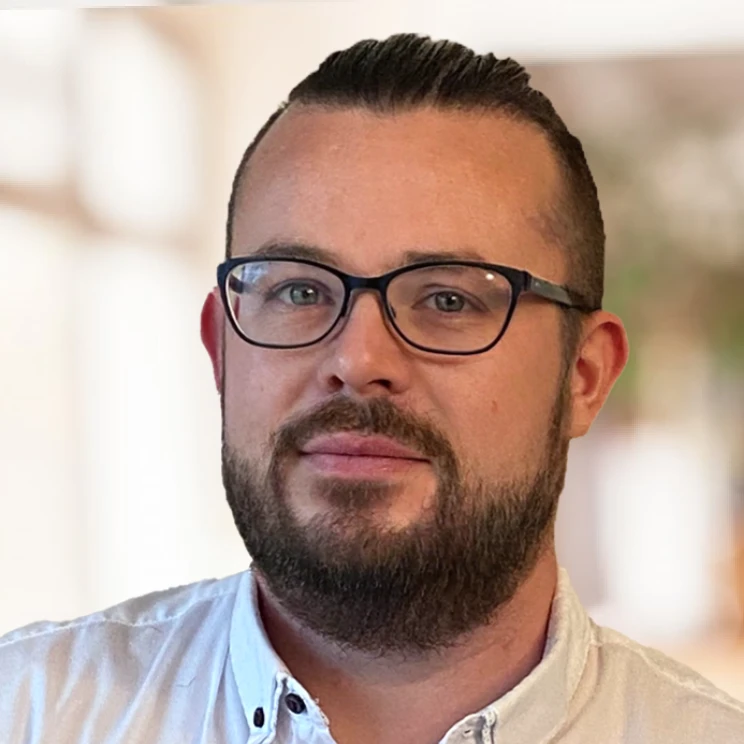
Ian Strachan
Managing Director
Ian Strachan is Co-Founder and Managing Director of Cyber Defence Service, where he leads the company's strategic direction, client relationships, and wider business operations.
With more than 20 years of experience across digital strategy, business development, and technology delivery, Ian has worked with organisations ranging from SMEs to large international businesses, helping them develop and deliver technology-led solutions.
At CDS, Ian works closely with clients, partners, and the wider team to understand operational requirements and shape the development of secure technology across cyber, intelligence, radio-frequency, and electromagnetic environments.
His focus is on building long-term relationships and ensuring CDS continues to deliver practical, high-performance technology that provides organisations with greater visibility, intelligence, and resilience.

Who We Support
Built for critical organisations and sensitive environments.
CDS supports organisations that need trustworthy technology for difficult security problems. This includes defence, law enforcement, national security, central government, critical infrastructure, system integrators, primes and security-sensitive private sector organisations.

Connected Ecosystem
Built Through Collaboration
We work alongside clients, technology partners, government programmes, universities, and industry organisations to develop innovative solutions for complex security challenges. CDS supplies and supports customers worldwide; enquiries from allied governments and their primes are welcome, subject to UK export controls.
From recognised accelerator programmes and strategic partnerships to industry memberships and certifications, collaboration is at the heart of how we innovate.
What Drives Us
Our Principles

Secure by Design
Security is considered from the very beginning, not added later.

Intelligence Led
Turning complex data into meaningful operational insight.

Built to Integrate
Connecting seamlessly with existing systems, platforms, and workflows.

Ready for the Mission
Designed for deployment in demanding operational and security-sensitive environments.
Need to Know
Frequently Asked Questions
Discover more about CDS, our capabilities, technology platforms, and how we support organisations operating in complex security environments.


